What types of shoes do you buy or are you thinking of buying for your baby or toddler?
I bought my son several shoes when he was a baby although he never wore any of them, he wore went bare footed most of the time. I knew this was good for baby anyway but he always prefers bare feet over shoes all the time now I let him do this while we are at home, obviously it isn’t practical to go barefoot when out and about.

Dotty Fish a baby footwear brand, have been working with The London Podiatry Centre which is one of the most advanced podiatrist clinics in the world. They were looking closely at the effects of soft-soled footwear on a child who’s learning to walk and taking those crucial first steps.
For many years there has been a perception that a baby’s first shoe should be a structured shoe that will help them steady on their feet, but this is a misconception.

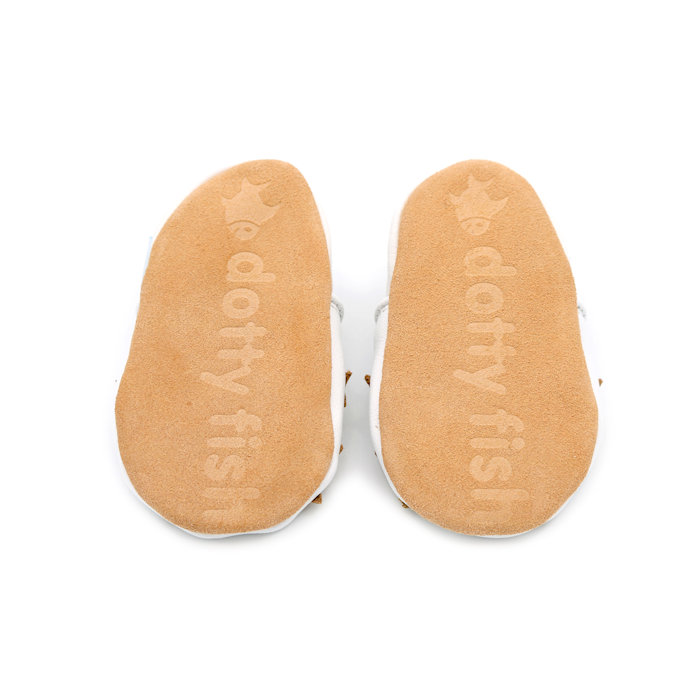
If you have heard of Dotty Fish before you will know that they are passionate about baby foot health and are keen to get the message out to parents on the benefits of wearing soft sole shoes. “We want to give people the information needed to make an informed choice when buying footwear for young children. We want to create a movement, one that looks at what is best for babies’ feet.” Explains Helen Chapman, founder of Dotty Fish.
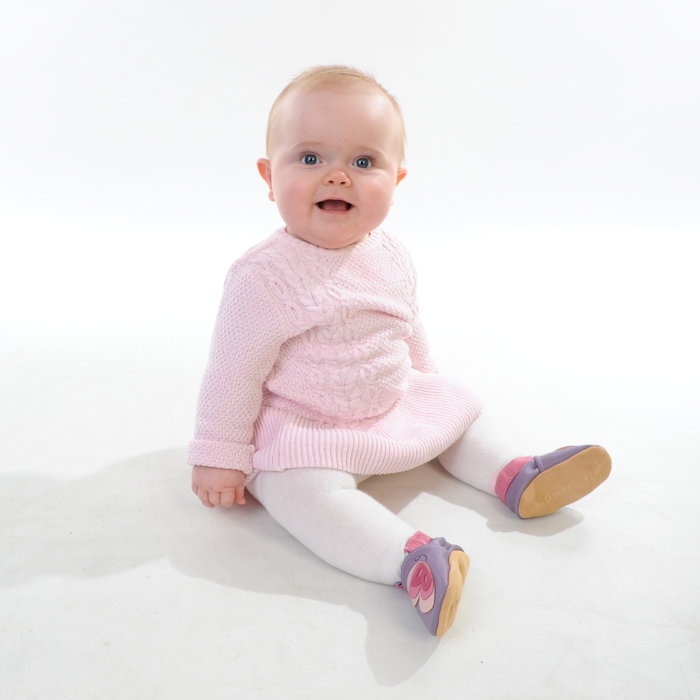
The London Podiatry Centre has one of the most advanced dedicated podiatric gait facilities anywhere in the world and have a wealth of information when it comes to foot health especially paediatric foot health. This is the first time they have ever worked with a baby shoe brand to analyse a child taking those early steps wearing a soft sole baby shoe. “We are an evidence-based clinic and we use very advanced technology to help us determine if something helps biomechanically” explained Ron McColloch, Consultant Podiatric Surgeon and Director at The London Podiatry Centre. “So far the results have been encouraging”.
Dotty Fish and The London Podiatry Centre are hoping to re-educate parents about the right type of footwear they should be choosing for their children. In fact, the very best thing for a baby learning to walk and a toddler who’s new to walking is to have bare feet but this isn’t always practical in the artificial, modern world we live in. The next best thing is to have an extremely lightweight flexible shoe with a thin, non-slip sole that protects a baby’s delicate foot and prevents slipping. This type of show will still give them all the benefits of walking barefoot whilst protecting their feet allowing them to feel the floor beneath them.
“We want to educate parents and childcare professionals on why soft soled shoes are enter for developing feet. The anatomy of a baby or toddler’s foot is different from an adult and we need to take this into account when buying those first few pairs of shoes,” explains Helen. “A baby’s foot doubles in size between birth and the age of 4 years. By their first birthday their foot is almost half the size it will be as an adult. Babies have 22 partially developed bones in their feet that are mostly cartilage while adults have 26 bones. This rapid growth and development needs to be kept in mind when choosing which shoes to buy.”
Shoes for young babies and children need to be:
- Flexible so feet can move naturally
- Lightweight allowing for natural ankle, knee and hip movement
- Wide around the toes to allow feet to spread when standing
- Thin soled so children’s toes can grip the floor in the same way as if they were barefoot
- A snug fit so they don’t come off but without restricting movement or growth
- Made from a breathable material as babies’ feet sweat 2-3 times more than adults’ do
As children’s feet develop they need room to spread and move in as natural a way as possible. When they have soft, flexible shoes on they do not impede natural foot movement and this allows development to take place unhindered. Ron explains, “a key thing is actually that we don’t want to see any change between bare feet and the shoe, we just want to see normal function and to make sure that it’s not impeded by footwear and so far the results are encouraging.”
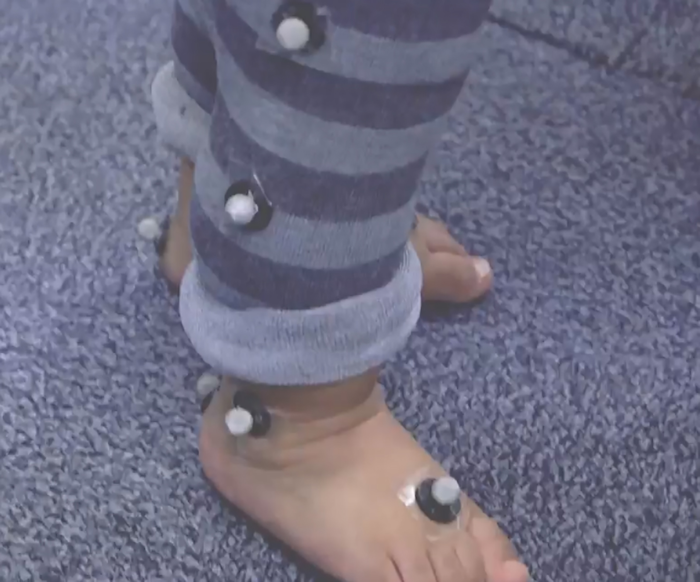
Testing at The London Podiatry Centre was initially performed on a Tekscan pressure mat to measure a baby’s postural sway or balance. They tested the effects of the shoes on a baby’s balance as well as when not wearing shoes at all. The results of this test were very positive for soft soled shoes. It is believed this is because the shoe gives increased contact points around the foot, making babies more aware of their feet. This feedback to the babys’ brain is very important for development and structured shoes may interfere with this and are therefore not always recommended.
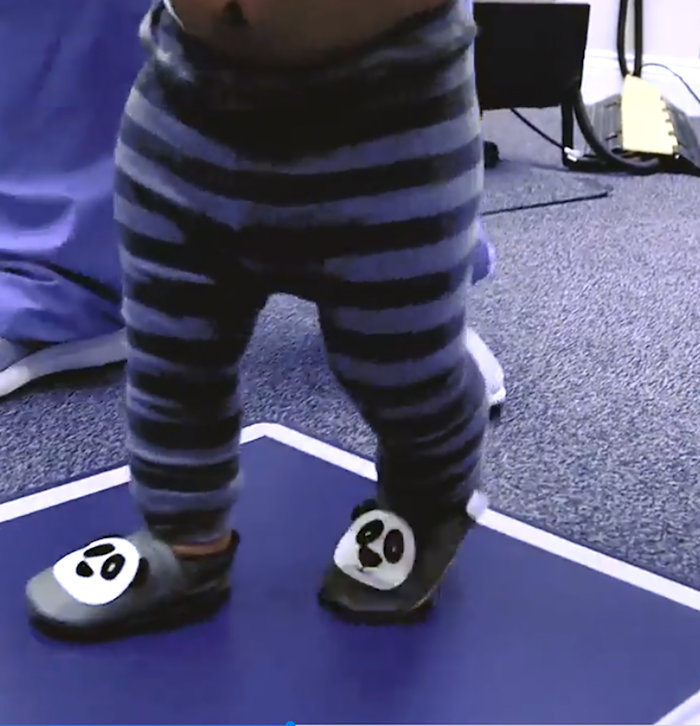
Sensors were also attached to the baby’s feet, legs and hips and 8-camera Viacom system was used to capture him walking with and without soft sole shoes. The resulting findings were overwhelmingly positive and really demonstrated the benefits of wearing soft soled shoes in those early years. An improvement in hip and knee symmetry was noticed when wearing Dotty Fish shoes. The pattern of movement in the ankle was also much better when wearing soft soled shoes.
Another key finding was that the soft sole shoes did not cause any disturbance ever in normal gait and in a number of areas it improved walking style. This may be as a result of the shoes improving a child’s sense of awareness by increasing the number of contact points between the foot and the floor. This was something that was stressed during the testing, the aim is to see children walking as close to naturally as possible while reducing the risks of slipping and protecting their feet. Dotty Fish soft soled shoes definitely do this as borne out by the testing.

At Dotty Fish we have long known the benefits of soft soled shoes for babies and early walkers/ we have always designed shoes that not only look good but which are also good for growing feet. The London Podiatry Centre’s results are fantastic and have really helped reinforce our belief in the benefits of wearing a less structured shoe that allows a child new to walking to develop this skill naturally. We believe these findings will really help give parents in the information they need when choosing their child’s first shoes.
Watch the short video below to see all of the testing and listen to Ron and Fran talk more about babies’ foot health and the benefits of soft soled shoes for those early years.
Are you looking for soft soled shoes for your baby or toddler? Check out the Dotty Fish website.
Leave a Reply