It’s true that any type of play, including unstructured play, is a vital part of a child’s life. Not only is it fun, but it’s important for socialisation and also helps them learn a little bit more about the world around them. However, if you want to make sure that your child is developing properly, there might be some kinds of play that you want to focus on, in particular.
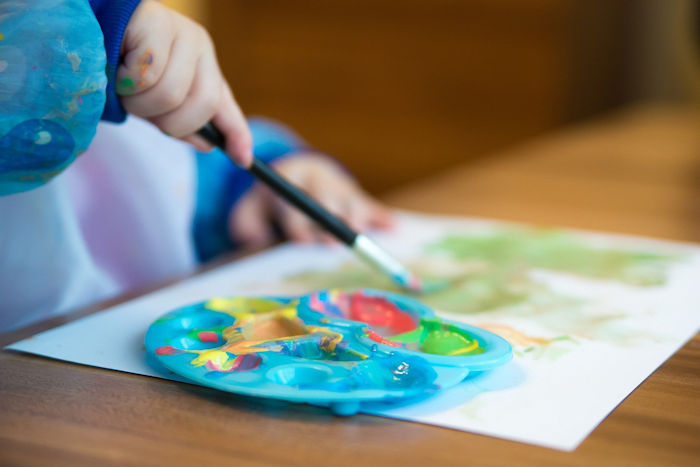
Creative play (such as drawing, painting, and crafts)
There are different types of creativity that your child can engage in. However, one of the most important is that of arts and crafts. Encouraging your child to be creative with markers, crayons, non-toxic paints, sands, and other materials has a range of intellectual and physical benefits. Aside from improved hand-eye coordination, it can help them see, learn, and recognize shapes. It also helps them better grasp concepts such as sizes and sorting. It’s best to work with them and a range of different materials when getting into creative play.
Logical play (such as playing with puzzles, building blocks, and the like)
Play can incentivise learning even when the child engaged in the play doesn’t fully understand it. This is one of the big benefits of the building blocks that we play with at a range of different ages, from wooden building blocks as a toddler to the Lego sets that many of us enjoy even as adults. It’s a fantastic way to stimulate creative learning, hand-eye coordination, how objects interact within physical spaces, and more. As children get into more complex puzzles and building blocks, it also has them beginning to experiment with long-term planning.
Physical play (such as swinging, climbing, running, and more)
One of the big benefits of physical play, the kind that a child can engage in at a playground or in a playhouse, is that it gets them used to exercise, early. A child that plays active is more likely to stay active as they get over. What’s more, outdoor play equipment teaches them all manner of physical and cognitive skills. It helps them become more competent when it comes to things like balance, hand-eye coordination, and even critical thinking skills when it comes to things like climbing walls.
Playing pretend (such as playing house or storytelling)
Playing pretend might seem like it’s nothing but some basic, frivolous fun. There’s no denying that having fun is important to a child’s happy growth. However, there are some serious benefits to playing pretend with your children. It teaches them to discover that other perspectives besides their own. This helps to build empathy and allows them to intuit their way to better social reactions as time goes on. This can lead to better skills involving cooperation and compromise outside of play, as well, as well as a better understanding of social cues and roles.
Do what you can to ensure that your child enjoys the kind of play that helps them develop the skills that will continue to grow with them as they get older. The sooner you get started, the better.
This is a featured post.
Leave a Reply