How to Avoid Common Home Improvement Mistakes
Home improvement projects can transform your living space, increase comfort, and add value to your property. However, even small renovations can become stressful when mistakes are made along the way. From poor planning to choosing the wrong materials, avoiding common errors can help ensure your project runs smoothly and delivers the results you want.
Plan Before You Start
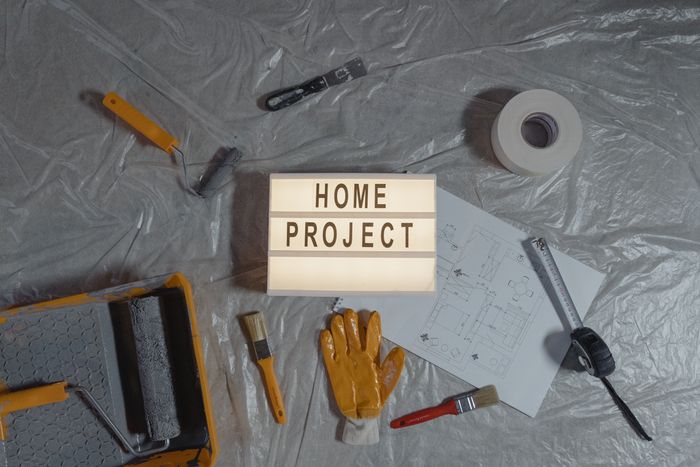
One of the biggest mistakes homeowners make is starting a project without a clear plan. Before picking up tools or buying supplies, take time to define your goals, set a realistic budget, and create a timeline. Consider the size of the project, the materials required, and whether you have the skills needed to complete each stage.
A detailed plan can help prevent unexpected costs and delays. It also allows you to prioritise important tasks and make informed decisions before work begins.
Avoid Choosing Materials Based Only on Price
While staying within budget is important, choosing the cheapest materials available can often lead to problems later. Low-quality products may wear out faster, require more maintenance, or fail to provide the finish you hoped for.
Investing in reliable materials and trusted suppliers can make a significant difference in the success of your project. Companies such as Tradefix Direct provide access to essential building supplies and fixings that can help homeowners and professionals complete projects with confidence.
Measure Carefully
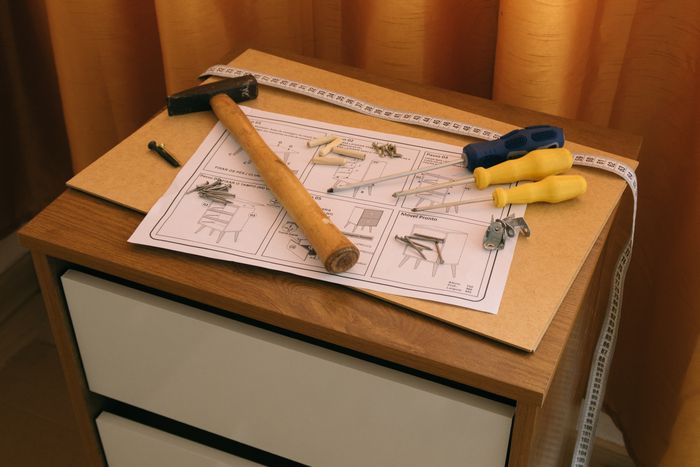
Incorrect measurements are one of the most common causes of wasted time and money during home improvements. Whether you are installing shelves, replacing flooring, fitting cabinets, or building furniture, accuracy is essential.
Always measure spaces more than once before purchasing materials. Taking a few extra minutes to double-check dimensions can prevent costly mistakes and ensure everything fits correctly when installation begins.
Do Not Rush the Preparation Stage
Many homeowners are eager to see the finished result and skip important preparation steps. However, proper preparation is often what separates a successful project from a disappointing one.
Cleaning surfaces, protecting surrounding areas, gathering the right tools, and preparing materials before starting work can save time in the long run. Good preparation also improves the quality and durability of the final outcome.

Know When to Ask for Help
DIY projects can be rewarding, but it is important to recognise your limits. Some tasks require specialist knowledge, experience, or equipment to complete safely. Attempting complicated electrical, plumbing, or structural work without the right skills can create serious problems.
Knowing when to hire a professional can protect your home and prevent expensive repairs in the future. For smaller tasks, learning new techniques and following reliable guidance can help build your confidence.
Avoid Ignoring the Details
Small details can have a major impact on the overall appearance of a renovation. Uneven finishes, incorrect fixings, or rushed installation can affect the quality of your project even if the main elements are completed correctly.
Take your time with finishing touches, including hardware, trims, and decorative features. These final details often bring a room together and create a polished appearance.
Learn From Common Mistakes
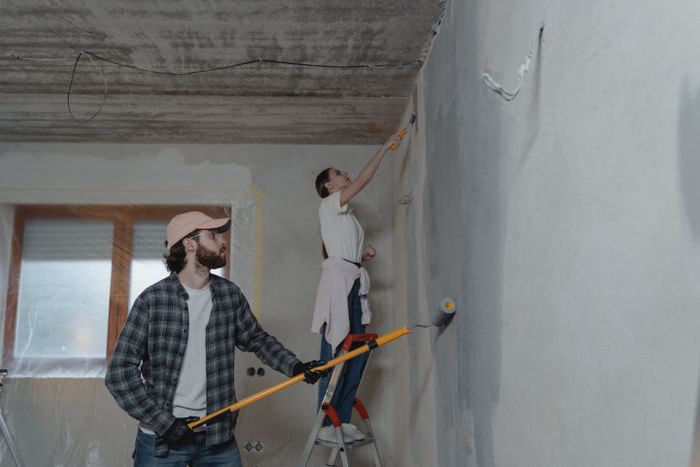
Every home improvement project comes with challenges, but many problems can be avoided through careful planning, patience, and attention to detail. Taking the time to prepare properly, select quality materials, and approach each stage thoughtfully can help you achieve better results.
By avoiding common mistakes, homeowners can enjoy projects that are not only visually appealing but also practical, durable, and built to last.
This is a featured post.
Leave a Reply