Bringing Education to Life: The Role of School Trips in Student Learning
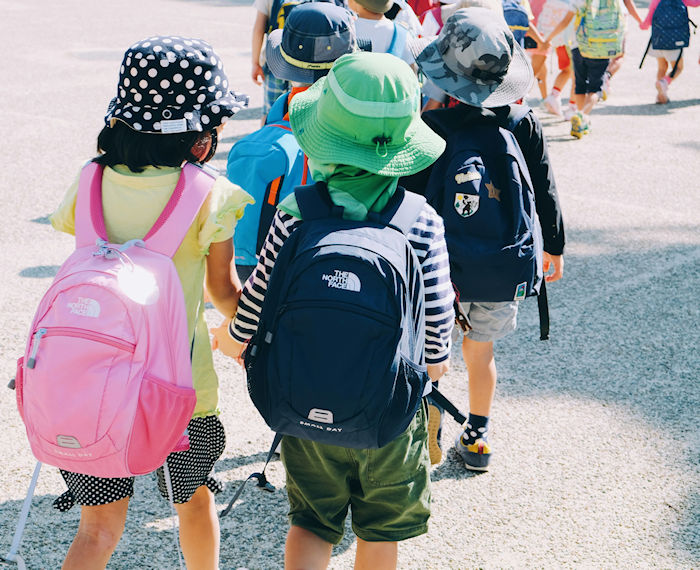
In the evolving landscape of education, it is becoming increasingly clear that learning extends beyond the confines of the classroom. While traditional teaching methods remain fundamental, the introduction of experiential learning through school trips has emerged as a powerful tool in helping students absorb and apply knowledge in real-world settings. Educational trips for schools are more than just a break from routine; they are a dynamic and integral part of a well-rounded education, offering students the opportunity to see, feel, and engage with the subjects they study in ways that textbooks alone cannot provide.
This blog will explore the invaluable role that school trips play in enhancing student learning, fostering personal growth, and creating meaningful experiences that last far beyond the school years.
1. Enhancing Academic Understanding
One of the most significant benefits of school trips is their ability to enhance students’ academic understanding by bringing theoretical concepts to life. In a classroom, lessons are often abstract, relying on textbooks, lectures, and digital resources to explain topics. While these tools are crucial for building foundational knowledge, they can sometimes fail to convey the full depth and context of a subject.
For example, a lesson on marine ecosystems can be much more impactful when students visit an aquarium or coastal area. They can observe marine life up close, witness the effects of environmental changes, and interact with experts in the field. Similarly, visiting a historical site can make a history lesson more tangible, helping students to better understand the significance of past events by walking through the very places where those events unfolded. These immersive experiences allow students to contextualise what they’ve learned, deepening their comprehension and making the material more memorable.

2. Stimulating Curiosity and Engagement
One of the greatest challenges in education is keeping students motivated and engaged. School trips are a powerful way to ignite curiosity, offering a change of scenery and a new approach to learning that often captures the attention of even the most reluctant learners. By introducing an element of adventure and discovery, school trips can re-energise students and inspire a genuine interest in the subjects they are studying.
When students are able to interact directly with their surroundings, they naturally become more inquisitive. A visit to a science museum, for example, might spark questions about physics or chemistry that extend beyond the classroom syllabus, prompting students to seek answers and develop a deeper interest in scientific exploration. This heightened level of engagement fosters a love of learning that goes beyond exam results, encouraging students to pursue knowledge for its own sake.
3. Developing Practical Skills
While academic achievements are essential, school trips provide students with an opportunity to develop practical life skills that are equally important for future success. Educational trips often involve problem-solving tasks, group activities, and challenges that require pupils to think on their feet, collaborate with peers, and communicate effectively.
During an outdoor adventure trip, for instance, students might work together to navigate a difficult trail, set up camp, or solve a physical challenge. These experiences teach resilience, perseverance, and teamwork, as pupils learn to rely on one another and adapt to new situations. These practical skills are transferable to a wide range of future scenarios, from school projects to career development, making them a vital part of a student’s education.
Moreover, school trips often encourage students to take on new responsibilities. From managing their own belongings to adhering to a schedule or budget during the trip, these experiences promote self-reliance and organisation, giving students a taste of independence that builds confidence and prepares them for adulthood.
4. Promoting Social and Emotional Learning
The social and emotional benefits of school trips are just as significant as the academic ones. When students spend time outside the classroom, they have the opportunity to interact with their peers and teachers in a more relaxed, informal environment. This can lead to stronger relationships, improved communication skills, and a greater sense of community within the school.
Group activities on school trips encourage pupils to work together, often with classmates they may not typically engage with during regular school hours. These interactions help students build social skills such as cooperation, empathy, and leadership. The collaborative nature of many school trip tasks—whether it’s navigating a museum exhibit, participating in a scavenger hunt, or completing an outdoor obstacle course—requires students to listen to one another, share ideas, and resolve conflicts.
These experiences also help students develop emotional intelligence, as they learn to manage their emotions in unfamiliar or challenging situations. Whether it’s dealing with homesickness on a residential trip or conquering a fear during an adventure activity, school trips teach students resilience and coping strategies that contribute to their emotional well-being.
5. Broadening Cultural Awareness and Understanding
In an increasingly globalised world, it is crucial for students to develop an understanding of different cultures, histories, and ways of life. Educational trips provide an ideal opportunity for students to experience this diversity firsthand, broadening their perspectives and helping them to become more informed global citizens.
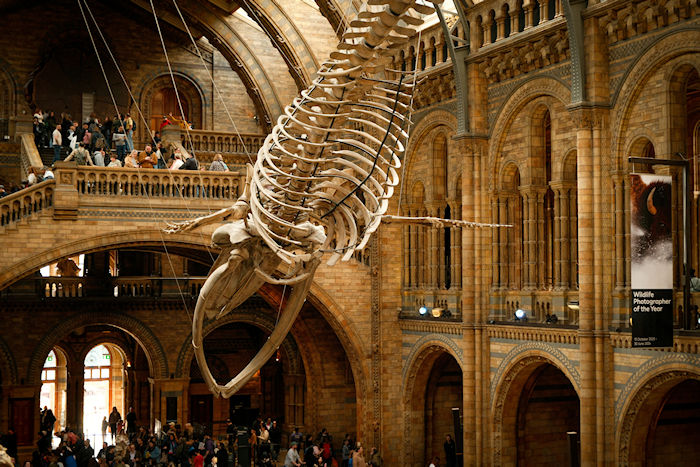
Local trips to museums, cultural centres, or historical sites offer students insight into their own country’s heritage, while international trips expose them to different customs, traditions, and languages. These experiences are invaluable in helping students appreciate the rich diversity of the world around them, fostering tolerance, empathy, and respect for others.
For example, a trip to a historical site such as the Roman Baths in Bath or the Tower of London offers students a chance to learn about Britain’s past, deepening their understanding of national identity and history. Similarly, a visit to a global city like Paris or Berlin can introduce students to different cultural norms and historical narratives, helping them appreciate the interconnectedness of the world.
6. Inspiring Future Careers and Passions
Educational trips can also play a pivotal role in inspiring students to explore future careers or discover new passions. By exposing students to a wide range of environments, industries, and professions, these trips provide a glimpse into potential career paths that students may not have considered.
A visit to a science research centre, for example, could inspire a student to pursue a career in biology or environmental science, while a trip to a theatre or art gallery might spark an interest in the creative arts. These experiences help students to see the practical applications of their education, linking what they learn in the classroom to real-world opportunities.
By allowing students to explore their interests in a hands-on setting, educational trips can inspire a lifelong love of learning and encourage students to pursue their passions, both academically and personally.
7. Creating Lasting Memories and Experiences
Perhaps one of the most cherished aspects of school trips is the lasting memories they create. For many students, these trips are the highlight of their school years, offering unique experiences that stay with them long after they have returned to the classroom.
The excitement of adventure, the thrill of trying something new, and the camaraderie of shared experiences all contribute to making school trips memorable and impactful. These positive memories help students associate learning with fun and discovery, reinforcing the idea that education is not limited to textbooks and classrooms, but can be an exciting, lifelong journey.
Conclusion: The Importance of School Trips in Education
School trips play an essential role in student learning, offering a unique blend of academic, social, and emotional benefits. By taking education out of the classroom and into the real world, these trips provide students with the opportunity to apply their knowledge, develop new skills, and gain a broader understanding of the world around them.
Whether it’s enhancing academic comprehension, promoting social skills, or inspiring future careers, educational trips for schools are a vital part of a holistic education. They help students grow into well-rounded, curious, and engaged individuals, ready to face the challenges and opportunities of the future. As schools continue to innovate and evolve, the role of school trips in fostering meaningful learning experiences remains as important as ever.
This is a featured post.
Leave a Reply